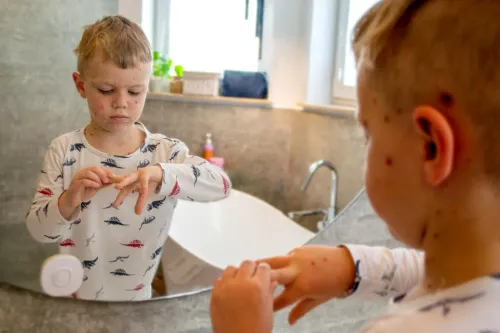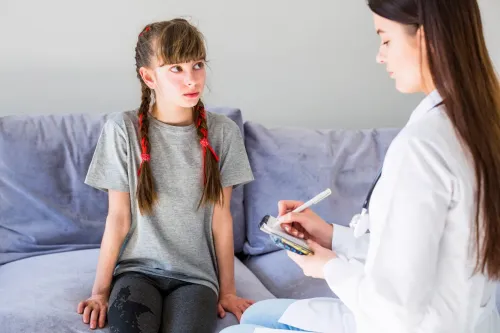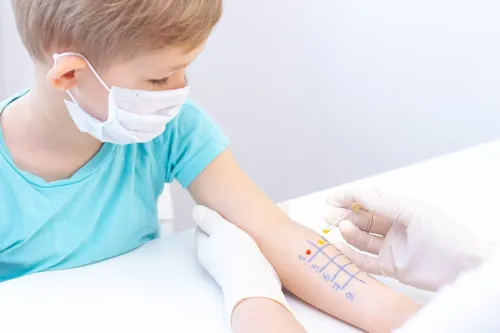
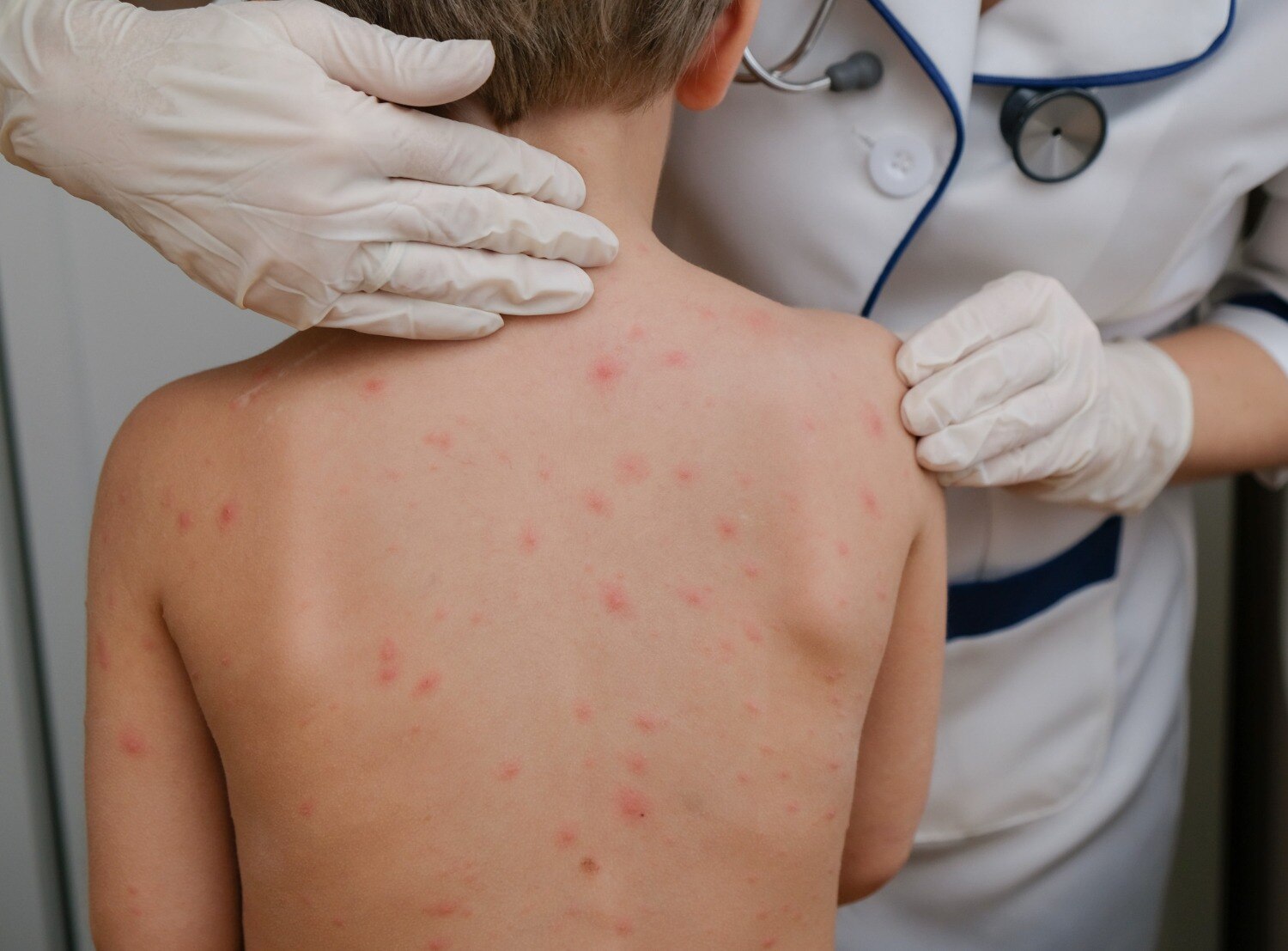
A red, itchy, crusted, swollen, or blistered patch is not automatically a bacterial infection, and treating the wrong condition can delay recovery. Use the rash’s appearance, speed of change, location, fever, pain, hydration, and your child’s behaviour to decide between careful home care, a same-day visit, and emergency assessment.
Key takeaways
- Expanding redness, warmth, swelling, pus, or honey-coloured crusts need medical assessment.
- Breathing trouble, unusual drowsiness, or rapidly spreading redness requires emergency care.
- Do not squeeze lesions or apply leftover antibiotics before examination.
- Infants, newborns, and children with weak immunity need faster assessment.
How can you tell an infection from eczema, a bite, or an injury?
A possible bacterial infection becomes more concerning when redness, warmth, swelling, tenderness, pus, or honey-coloured crusts develop around a break in the skin and keep expanding. These signs support an examination, not a diagnosis from appearance alone.
- Impetigo often causes honey-coloured crusts, but eczema, insect bites, herpes simplex, and other conditions can crust too.
- A boil that enlarges, becomes painful, or starts draining needs medical advice. Do not squeeze it.
- A viral rash often comes with sore throat, mouth sores, fever, or spots on the hands and feet. Antibiotics do not treat viral illnesses.
- A fungal rash is more likely to form an itchy, scaly, ring-shaped patch or affect a moist body fold.
- Eczema tends to recur in dry, itchy areas rather than spread steadily from a wound.
- An allergic reaction can appear soon after contact with a product, plant, food, or medicine and affect several areas at once.
- A minor injury usually stays close to the original scrape or impact. Spreading redness, warmth, pus, or increasing pain suggests infection has developed.
For a bacterial skin infection in a child in Pimpri Chinchwad, seek examination when the diagnosis is uncertain, the rash is spreading, or your child is becoming unwell. Overlapping patterns make a clinical assessment more reliable than searching for a bacterial skin infection child Pimpri Chinchwad symptom or relying on a photograph.
Which skin symptoms need same-day care, and which are emergencies?
Arrange same-day medical assessment if redness spreads rapidly, the skin becomes warmer or more swollen, pain increases, pus appears, red streaks move away from a lesion, or your child has fever, chills, or unusual tiredness. These signs can indicate cellulitis or a deeper skin and soft-tissue infection.
| Level of care | Warning signs | What to do |
|---|---|---|
| Same-day assessment | Spreading rash, enlarging boil, worsening symptoms after gentle wound care, or redness near the eye, nose, mouth, genitals, hands, or a joint | Contact a clinician today. Swelling in these areas can affect vision, eating, urination, hand function, or joint movement. |
| Emergency care | Trouble breathing; swollen lips or tongue; confusion; difficulty waking; shock or dehydration; severe pain out of proportion to the visible rash; rapidly developing blisters, peeling, or dark discolouration; or redness spreading over minutes to hours | Go to an emergency department immediately. Difficulty moving an arm, leg, finger, or joint also needs urgent assessment. |
Seek same-day advice when a boil keeps enlarging or a rash fails to improve after gentle cleaning and covering. Do not wait for the rash to cover a large area if your child looks seriously ill.
Fever with poor drinking, reduced urination, dry mouth, or no tears increases dehydration risk. If you are searching for a pediatric skin infection doctor near me, use same-day care for concerning but stable symptoms; choose emergency care directly for breathing changes, severe illness, or rapid deterioration.
When do infants and high-risk children need faster assessment?
Use a lower threshold for care in newborns and young infants. A small skin lesion can accompany a serious infection, and babies cannot describe pain or worsening symptoms. A measured temperature of 38°C or higher in an infant younger than 3 months requires urgent face-to-face medical assessment, even when the skin finding looks minor.
Seek prompt medical advice if an infant with a skin lesion has:
- Poor feeding, fewer wet nappies, a dry mouth, no tears, unusual sleepiness, breathing changes, or a rapidly changing rash.
- A weakened immune system, immune-suppressing medicine, or extensive skin disease.
- Suspected chickenpox when the child is an infant, symptoms are severe, or a pregnant household contact may have been exposed.
- Mouth pain from hand, foot and mouth disease that prevents drinking.
Do not give aspirin to a child or teenager with chickenpox because of its association with Reye syndrome. Ask a clinician about suitable fever relief; viral skin infection treatment for children often involves fluids, rest, and age-appropriate symptom relief rather than antibiotics.
Arrange early assessment for infection on the eyelid, face, genitals, hands, or over a joint, regardless of age. Swelling or infection in these areas can affect vision, eating, urination, hand function, or joint movement.
What should you do before the child is examined?
Until the child is examined, protect the skin without trying to diagnose or drain it yourself. Take these steps:
1. Wash the area gently with clean water, pat it dry, and cover any draining lesion with a clean dressing.
2. Wash your hands before and after touching the skin. Keep the child’s nails short and prevent scratching when you can.
3. Do not squeeze or puncture a boil, peel off a crust, or forcibly remove a blister. These actions can spread infection and damage healing skin.
4. Do not apply steroid cream without a diagnosis. Steroids can change an infection’s appearance and delay correct treatment.
5. Avoid leftover oral antibiotics, antibiotics prescribed for another child, repeated antiseptic applications, and combination creams containing several medicines. They can irritate skin, hide important changes, encourage resistant bacteria, or treat the wrong condition.
6. If an antibiotic was prescribed, do not stop it because the skin looks better or increase it because the rash looks worse. Contact the prescriber for instructions and arrange re-examination when symptoms worsen or fail to improve.
7. Photograph the rash in good light. Note when it began, how quickly it changed, the child’s temperature, pain, medicines, allergies, and new products or contacts.
8. Do not share towels, clothing, razors, or bedding. If impetigo is suspected, ask the clinician when school or childcare is safe; return timing depends on treatment and local guidance.
How do you choose child skin infection treatment in Pimpri Chinchwad?
Choose treatment by the child’s age, fever, speed of spread, location, pain, hydration, immune status, and overall appearance—not only by whether the rash looks bacterial or viral. These factors determine the safest level of care.
| Option | What it means | When it applies |
|---|---|---|
| Home observation | Gentle care, fluids, and monitoring | The child is well, the rash is small and stable, and no warning sign is present |
| Same-day pediatric visit | Examination and a treatment decision | Redness spreads, pain or swelling increases, pus appears, fever develops, or the rash affects the face, eyelid, genitals, hands, or a joint |
| Emergency care | Immediate assessment without waiting for a routine appointment | Breathing trouble, lip or tongue swelling, confusion, difficulty waking, dehydration, severe disproportionate pain, or rapidly blistering, peeling, or darkening skin |
A general pediatric clinician can assess the child and decide whether pediatric dermatology, infectious-disease, or emergency referral is appropriate. A few localized impetigo sores may receive a prescribed topical antibiotic; extensive lesions, bullous impetigo, or several affected household members can require an oral antibiotic.
Do not use leftover antibiotics or share them between children. The diagnosis, severity, age, allergies, and local resistance patterns determine the medicine and duration. Hand, foot and mouth disease usually needs fluids, rest, and age-appropriate symptom relief instead.
A search for pediatric skin infection doctor near me is especially useful for recurrent infections, extensive disease, uncertain diagnosis, scarring, eyelid or genital involvement, or poor improvement. Nestcare Mother and Child Care Clinic can provide the initial pediatric assessment and help determine the appropriate referral.
Related services
Pediatric Dermatologist Bacterial & Viral Skin Infection Treatment Pediatric Bacterial & Viral Skin Infection Treatment – Gentle Care for Healthy Childhood Skin Children are more prone to bacterial and viral skin... View service → |
Pediatric Dermatologist Pediatric Fungal Infection Treatment – Expert Care for Your Child’s Healthy Skin Fungal skin infections are common among infants and children and can... View service → |
Frequently asked questions
How can you tell an infection from eczema, a bite, or an injury?
Infection becomes more concerning when redness, warmth, swelling, tenderness, pus, or honey-coloured crusts appear around broken skin and expand. A clinician must confirm the cause because eczema, bites, and injuries can look similar.
Which child skin symptoms need same-day care?
Arrange same-day care for expanding redness, increasing pain, warmth, swelling, pus, honey-coloured crusts, fever, or red streaks moving away from the affected area.
Which skin symptoms are emergencies?
Seek emergency care for breathing difficulty, facial or eye swelling, rapidly spreading redness, severe pain, purple or black skin, confusion, unusual sleepiness, or a child who appears seriously unwell.
What should you do before the child is examined?
Gently clean the area, cover it with a clean dressing, prevent scratching, wash your hands, and avoid squeezing lesions or using leftover antibiotics and steroid creams.
When do infants and high-risk children need faster assessment?
Newborns, young infants, and children with diabetes, immune problems, cancer treatment, or serious chronic illness need prompt assessment when infection is suspected.
Related service
Pediatric Dermatologist Warts & Molluscum Contagiosum Treatment Pediatric Warts & Molluscum Contagiosum Treatment – Expert Care for Your Child’s Healthy Skin Warts and molluscum contagiosum are common viral skin... View service → |
Keywords