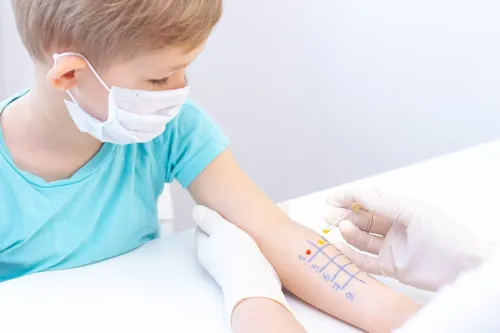

Parents often need to know whether a child’s height, weight, skills, communication, or behaviour is progressing as expected—and what to do when something seems different. By the end, you will know what an assessment measures, how clinicians interpret results, which signs need prompt attention, and how to choose a suitable local service.
Key takeaways
- Bring pregnancy, birth, medical, sleep, feeding, and behaviour details.
- Growth charts track height, weight, head circumference, and body proportions over time.
- Screening identifies possible concerns; diagnosis requires a fuller clinical evaluation.
- Seek assessment for persistent delays in speech, movement, learning, behaviour, or social interaction.
What happens during a pediatric development assessment?
Expect questions before examinations. During a pediatric development assessment for Pimpri Chinchwad families, the clinician asks about pregnancy and birth, medical history, sleep, feeding, behaviour, communication, movement, learning, and your specific concerns.
The appointment usually includes:
- Recording weight, length or standing height, head circumference for younger children, and body-mass index.
- Plotting measurements on age- and sex-specific charts and comparing them with earlier visits.
- Reviewing milestones such as smiling, sitting, walking, speaking, following instructions, playing, and self-care.
- Watching how your child moves, communicates, responds to people, plays, and handles simple tasks.
- Checking the physical examination, including general health, muscle tone, coordination, and signs that could affect development.
- Reviewing hearing and vision screening, because difficulty hearing or seeing can resemble language, attention, learning, or social problems.
Bring vaccination records, previous reports, medication details, and videos or notes showing the concern at home. Tell the clinician what your child does consistently, what they have lost, and how they function at home, school, or daycare.
Routine surveillance happens at health visits. A standardized screening tool gives a structured result, but a positive screen is not a diagnosis. The clinician may arrange speech-language, occupational or physical therapy, psychological, hearing, vision, or specialist assessment when the findings require a fuller evaluation.
Which growth measurements matter, and how are they interpreted?
Clinicians decide whether growth is healthy by plotting serial measurements on age- and sex-specific charts, then judging the pattern rather than one percentile. A single short or light measurement can reflect family build, recent illness, or measurement error; slowing growth or repeated crossing of percentile lines needs closer review.
| Measurement | How it is interpreted | What raises concern |
|---|---|---|
| Weight | Plotted against age and compared with height and previous weights | Poor gain, weight loss, or a sharp rise across percentiles |
| Length or standing height | Length is measured lying down in younger children; standing height is used once they can stand reliably | Low height, reduced growth velocity, or downward percentile crossing |
| Head circumference | Measured in younger children and followed on a head-growth chart | A rapid change in percentile or persistent mismatch with the child’s overall pattern |
| Body-mass index | Weight and height are combined from age 2 and plotted as BMI-for-age | High or low BMI-for-age; adult BMI cutoffs do not apply |
The clinician also considers parental heights, nutrition, activity, chronic symptoms, medicines, examination findings, and puberty stage. WHO standards cover birth to 5 years; the WHO 5–19-year reference includes height-for-age and BMI-for-age. BMI screens for excess weight but cannot separate muscle from fat.
If you search for pediatric growth assessment near me, confirm that the visit includes chart plotting and documented follow-up. A growth check is not automatically a full developmental evaluation, which also examines communication, motor, learning, social-emotional, and self-help skills.
How are developmental screening and diagnosis different?
The key difference is purpose: surveillance watches development over time, screening checks for possible delay, and evaluation investigates the cause and confirms whether a diagnosis fits.
| Type | What happens | What the result means |
|---|---|---|
| Routine developmental surveillance | At every health visit, the clinician reviews milestones, caregiver concerns, behaviour, functioning, and growth, while observing the child. | It identifies changes that deserve closer attention; it is ongoing, not a diagnostic test. |
| Formal developmental screening | A standardised questionnaire or task compares skills in communication, motor, problem-solving, social-emotional, and adaptive areas. Screening is recommended at 9, 18, and 30 months; autism-specific screening is recommended at 18 and 24 months. | A positive result signals the need for evaluation. It does not prove a developmental disorder, and a negative result cannot replace continued surveillance. |
| Complete developmental evaluation | The clinician takes a detailed history, examines the child, reviews functioning at home and school, and investigates hearing, vision, medical conditions, and family concerns. | It determines whether a diagnosis and treatment plan are appropriate. It may include speech-language, occupational or physical therapy, psychological, hearing, or vision testing, with specialist referral when needed. |
A developmental assessment for children in Pune or Pimpri Chinchwad should document which stage is being offered. Ask whether the appointment includes standardised screening, hearing and vision review, and a written follow-up or referral plan. A “growth assessment near me” may only measure height and weight; that is not equivalent to a developmental evaluation.
Which signs mean your child needs an assessment?
Book an evaluation if your child loses a skill, misses several expected milestones, or shows a persistent change in communication, movement, behaviour, or growth. Do not wait for the next routine visit when your concern is specific or worsening.
| Concern | Signs that warrant assessment | Why prompt review matters |
|---|---|---|
| Skill loss | Stops using words, gestures, social interaction, walking, or self-help skills previously mastered | Regression needs medical and developmental investigation |
| Communication or social interaction | No response to name, limited eye contact, few gestures, unclear speech, loss of words, or difficulty understanding simple instructions | Hearing problems can resemble language, attention, or social-development difficulties |
| Movement or learning | Persistent clumsiness, unusual stiffness or floppiness, one-sided movement, feeding difficulty, trouble using both hands, or major difficulty learning new tasks | Assessment can identify motor, cognitive, neurological, or therapy needs |
| Growth or health | Poor weight gain, marked weight loss, very short or tall stature, crossing growth-chart lines, persistent fatigue, excessive thirst, or frequent illness | Growth patterns and medical symptoms may need nutritional, endocrine, or other evaluation |
Ask whether hearing and vision have been screened, especially with speech delay, inconsistent responses, or an abnormal office screen. A search for child development assessment Pimpri Chinchwad should lead to a service that coordinates speech-language, occupational or physical therapy, psychological, medical, and specialist referrals when needed.
A positive screening result is not a diagnosis. Arrange the recommended detailed evaluation and documented follow-up rather than repeating the same screening months later.
How should you prepare and compare local assessment services?
Bring the child’s previous growth records, vaccination history, medical reports, medication list, school or daycare observations, and a short list of your concerns. Videos showing speech, movement, play, or unusual behaviour can help when the concern does not appear during the appointment.
Before booking, ask:
- Will you record serial weight, length or standing height, and head circumference on age-appropriate WHO charts?
- Does the visit include standardized developmental screening, hearing and vision review, and BMI-for-age from age 2?
- Who performs speech-language, occupational therapy, physical therapy, psychological, or specialist assessments if needed?
- Will you receive a written result, a review date, and named referral options?
Search results for child development assessment Pimpri Chinchwad can combine different levels of care. Compare them this way:
| Service | What it covers | Follow-up to expect |
|---|---|---|
| Growth check | Measurements and chart plotting | Repeat measurements or referral |
| Pediatric screening | Milestones, standardized screening, examination, hearing and vision review | Written findings and planned reassessment |
| Multidisciplinary evaluation | Coordinated therapy, psychological, hearing, vision, or specialist testing | Case coordination and a documented care plan |
A pediatric development assessment for Pimpri Chinchwad should support ongoing surveillance, not replace checks at routine visits.
When comparing a developmental assessment for children in Pune or searching pediatric growth assessment near me, Nestcare Mother and Child Care Clinic is worth asking about the exact screening tools, referral pathway, and review schedule rather than relying on the service name.
Related services
Pediatrician Pediatric Development Assessment Supporting Your Child's Growth at Every Stage Every child grows and develops at their own pace, reaching new milestones as they learn to move,... View service → |
Pediatrician At Nestcare Mother & Child Clinic, our Growth and Development Clinic is dedicated to monitoring your child's physical, cognitive, emotional, and... View service → |
Frequently asked questions
What happens during a pediatric development assessment?
The clinician asks about pregnancy and birth, medical history, sleep, feeding, behaviour, communication, movement, learning, and your concerns before examining the child.
Which growth measurements matter in a child development assessment?
Clinicians review height or length, weight, head circumference in younger children, body proportions, and how each measurement changes over time on growth charts.
How are developmental screening and diagnosis different?
Screening looks for signs that need closer attention. Diagnosis uses a fuller assessment, clinical history, examination, and targeted evaluation to identify the cause or condition.
Which signs mean a child needs a developmental assessment?
Persistent concerns about speech, movement, learning, behaviour, social interaction, feeding, sleep, or loss of previously acquired skills warrant professional assessment.
How should parents compare local child development assessment services?
Check which pediatric specialists assess children, what the appointment includes, how reports and follow-up are handled, and whether the location is convenient for your family.
Related services
Pediatric Endocrinologist Pediatric Growth & Height Disorders Treatment – Expert Care for Your Child’s Healthy Growth Every child grows at their own pace, but significant... View service → |
Pediatrician Growth and Development Monitoring in Children Tracking Healthy Growth at Every Stage Every child grows at their own unique pace, but healthy growth and development follow a predictable pattern... View service → |
Pediatric Endocrinologist Hormonal & Developmental Assessment Expert Child Growth Evaluation Every child grows and develops at their own pace, but certain hormonal imbalances or developmental concerns can affect... View service → |
Pediatric Endocrinologist Pediatric Early & Delayed Puberty Evaluation Expert Care for Healthy Growth & Development Puberty is a natural stage of growth where a child’s body begins to develop into adulthood. View service → |
Keywords