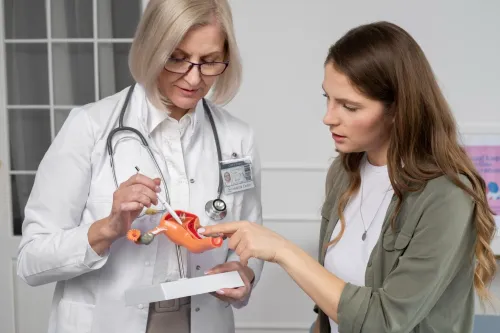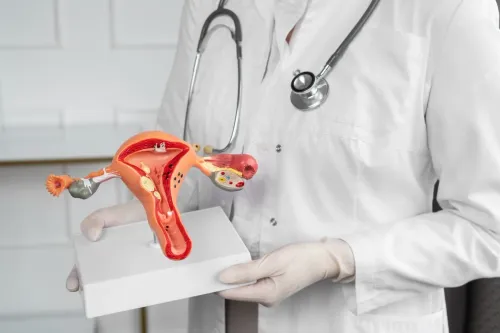
Polycystic Ovary Syndrome (PCOS) is one of the most common hormonal conditions affecting women of reproductive age. While it is widely discussed, many women continue to overlook early symptoms or assume irregular menstrual cycles are normal. Seeking timely PCOS Treatment in Pimple Saudagar can help manage symptoms effectively while reducing the risk of long-term health complications.
PCOS affects hormone balance, ovulation, metabolism, and overall reproductive health. The condition varies from person to person, meaning symptoms and treatment plans are often individualized rather than identical.
Women across Pimple Saudagar, Pune, Wakad, Pimple Nilakh, Aundh, Hinjewadi, Kalewadi, Pimple Gurav, and Pimpri Chinchwad increasingly seek medical guidance for menstrual irregularities, fertility concerns, and hormonal symptoms associated with PCOS.
Some of the most common symptoms include:
- Irregular or missed periods
- Excess facial or body hair
- Persistent acne
- Weight gain
- Difficulty losing weight
- Hair thinning
- Darkening of the skin in certain areas
- Difficulty conceiving
Not every woman experiences all these symptoms, making professional evaluation important.
The exact cause of PCOS is not fully understood, but several contributing factors are believed to play a role, including hormonal imbalance, insulin resistance, genetics, and lifestyle factors.
Diagnosis usually involves a combination of:
- Medical history review
- Menstrual history
- Physical examination
- Blood investigations
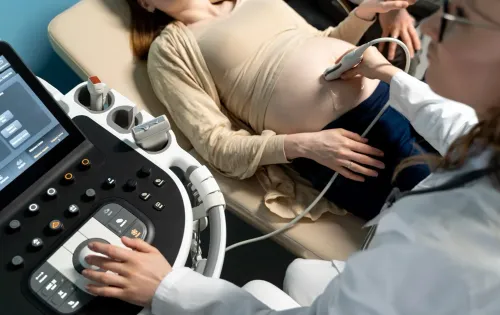
- Ultrasound evaluation
- Hormonal assessment
These tests help rule out other conditions with similar symptoms while confirming the diagnosis.
One of the biggest misconceptions about PCOS is that it only affects fertility. In reality, untreated PCOS may increase the risk of several long-term health issues, including:
- Type 2 diabetes
- High blood pressure
- High cholesterol
- Endometrial problems
- Obesity
- Sleep disturbances
Early management helps reduce these associated risks.
Treatment depends on the individual's symptoms, age, reproductive goals, and overall health. Common management strategies include lifestyle modifications, nutritional guidance, weight management, hormonal treatment when appropriate, and fertility support for women planning pregnancy.
Lifestyle improvements remain one of the most effective components of PCOS management. Doctors commonly recommend:
- Regular exercise
- Balanced nutrition
- Weight management
- Adequate sleep
- Stress reduction
- Limiting processed foods
- Maintaining consistent meal timings
Even modest lifestyle changes can significantly improve hormone balance and menstrual regularity.
Women trying to conceive often require specialized fertility evaluation and ovulation management. Early consultation improves the chances of successful pregnancy while addressing other underlying health concerns.
Regular follow-up appointments are important because PCOS is a long-term condition requiring ongoing monitoring rather than one-time treatment. Doctors assess symptom improvement, menstrual regularity, metabolic health, and treatment effectiveness during these visits.
Emotional health also deserves attention. Hormonal fluctuations, acne, unwanted hair growth, weight concerns, and fertility challenges can affect self-confidence and mental well-being. Open communication with healthcare providers helps women receive both medical and emotional support throughout treatment.
Many women benefit from clinics offering both gynecological and pregnancy care, particularly if they plan to conceive in the future. Nestcare Mother and Child Care Clinic provides comprehensive women's healthcare, including diagnosis and management of PCOS alongside fertility guidance, pregnancy care, and preventive gynecological services.
PCOS is a manageable condition when diagnosed early and treated consistently. Understanding the symptoms, making healthy lifestyle changes, and working closely with an experienced gynecologist can improve reproductive health, restore menstrual balance, and support long-term well-being.
Keywords